If a dentist has told you that you have a dead tooth, or you’re worried one of your teeth may be dying, it’s normal to question how serious the situation really is. Does it need to be treated right away, or can it wait?
At CornerStone Dental in La Grange, TX, we hear this concern often. While a dead tooth doesn’t always cause immediate pain, leaving it untreated can create problems that are much harder to fix later. Below, we explain what a dead tooth is, how long it can remain untreated, and when it’s time to take action.
What Is a Dead Tooth?
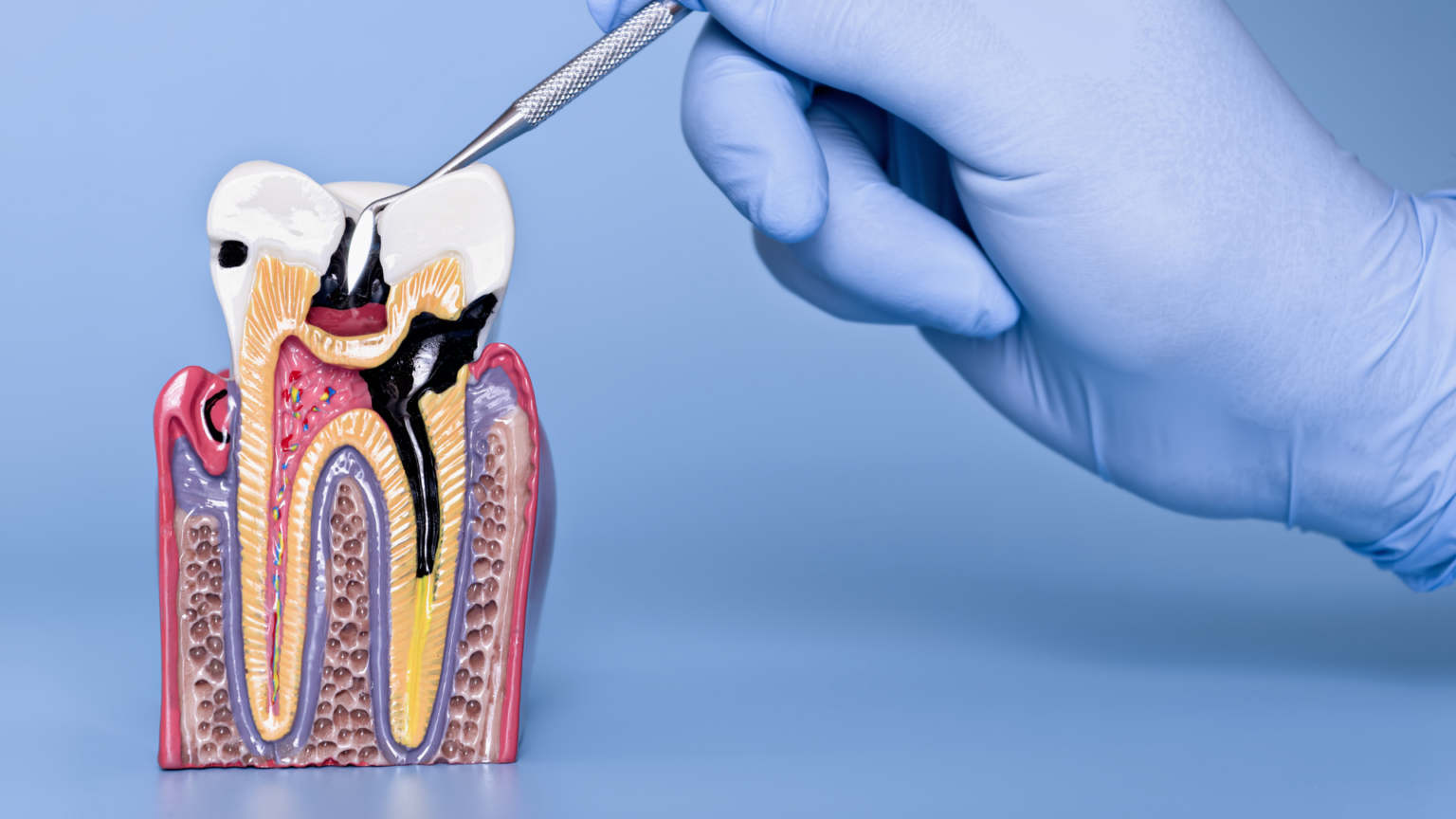
A dead tooth—also known as a non-vital tooth—is a tooth that no longer has a living nerve or blood supply. This typically happens when the inner pulp becomes damaged or infected.
Common reasons a tooth may die include:
- Deep or untreated cavities
- Cracks or fractures in the tooth
- Trauma from accidents or sports injuries
- Previous dental work that has failed
- Advanced gum disease
Once the nerve dies, the tooth can’t heal on its own—even if it doesn’t hurt.
How Long Can a Tooth With Nerve Damage Go Untreated?
This is often the biggest question patients have.
A dead tooth can sometimes stay in the mouth for weeks, months, or even longer without obvious symptoms. However, that doesn’t mean it’s harmless.
A dead tooth that’s left untreated almost always leads to complications over time.
The longer it remains untreated, the greater the risk of:
- Infection
- Abscess formation
- Bone loss around the tooth
- Damage to nearby teeth
- Tooth loss
- More extensive and costly treatment
So while a dead tooth may seem quiet, it’s rarely safe to ignore.
What Happens If a Dead Tooth Is Left Untreated?
When the nerve inside a tooth dies, bacteria can move into the empty pulp space and root canal system. Over time, that infection can spread beyond the tooth itself.
Potential complications include:
- A dental abscess (a pocket of infection)
- Swelling in the gums, jaw, or face
- Persistent bad taste or odor
- Breakdown of the surrounding bone
- Infection spreading to other parts of the body
Dental infections do not resolve on their own and can impact overall health if left untreated.
Does a Dead Tooth Always Cause Pain?
No—and this is why dead teeth are often overlooked.
A dead tooth may:
- Hurt initially, then stop hurting
- Feel sensitive when chewing
- Feel completely normal
Pain disappearing doesn’t mean the problem has gone away. In many cases, infection continues silently even after discomfort fades.
Warning Signs a Tooth May Have Nerve Damage
Some signs that a tooth may be dead or dying include:
- Darkening of the tooth (gray, brown, or black)
- Swelling or tenderness near the gums
- A small pimple-like bump on the gum
- Bad breath or a bad taste that won’t go away
- Pain when biting—or pain that suddenly stopped
If you notice any of these symptoms, it’s best to schedule an exam sooner rather than later.
Can a Dead Tooth Be Saved?
In many situations, yes.
If the tooth structure is still strong, a root canal can remove the infected tissue while preserving the tooth. A crown is often placed afterward to restore strength and protect it long term.
Treating the tooth early usually improves the chances of saving it.
Why a Filling Isn’t Enough for a Dead Tooth
A traditional filling works well for cavities in healthy teeth, but it doesn’t solve the problem once the nerve has died.
If a tooth is already dead:
- A filling won’t remove infection inside the root
- Bacteria can continue spreading beneath the tooth
- Symptoms often return or worsen
That’s why dentists typically recommend a root canal or extraction instead of a standard filling in these cases.
When Does a Dead Tooth Need to Be Removed?
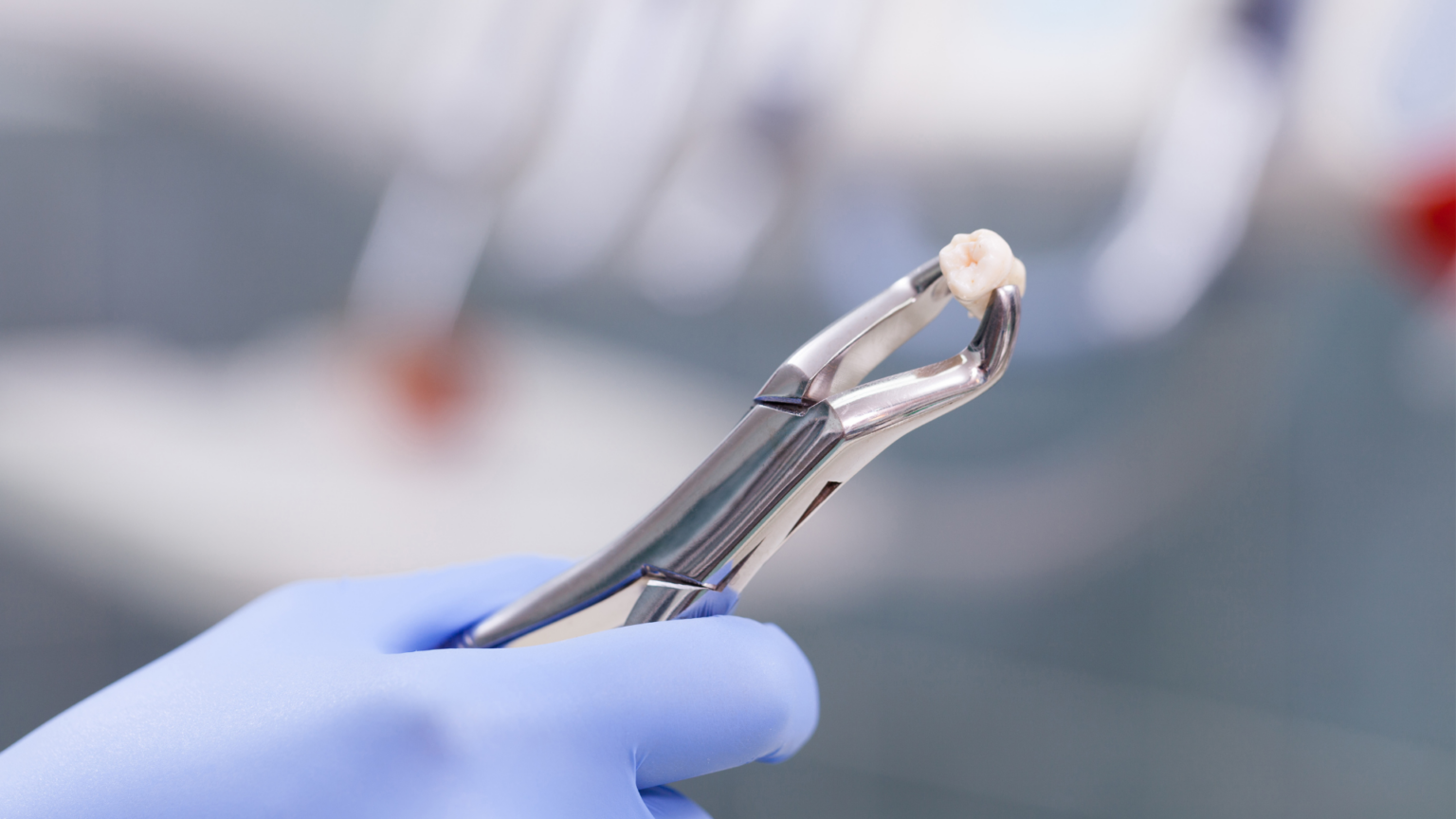
Extraction may be recommended if:
- The tooth is severely damaged or fractured
- Infection has caused significant bone loss
- A root canal is no longer an option
- The tooth has broken below the gumline
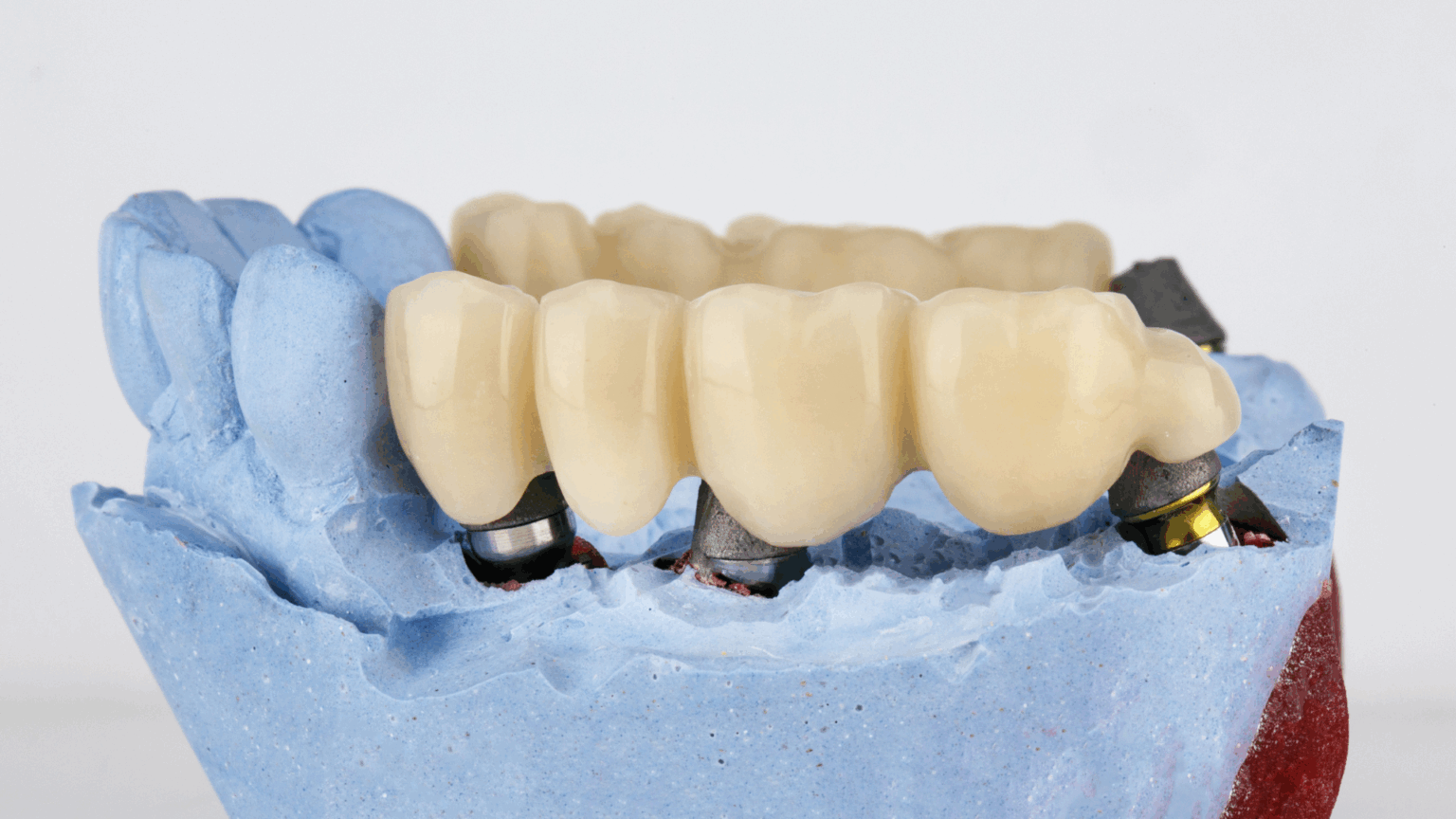
If removal is necessary, replacement options such as dental implants can help restore function and appearance.
How Long Can You Leave a Dead Tooth Before Infection Develops?
There’s no exact timeline.
Some people develop infection within weeks, while others may go months without symptoms before swelling or pain appears suddenly. Once the nerve is dead, infection can develop at any point.
Dental infections require professional treatment and do not heal on their own.
Why Delaying Treatment Often Leads to Bigger Problems
Waiting to address a dead tooth increases the likelihood of:
- Needing extraction instead of saving the tooth
- Greater bone loss
- More complex procedures
- Higher overall costs
Early treatment usually means simpler care and better outcomes.
How Dentists Diagnose a Dead Tooth
To determine whether a tooth is dead, your dentist may use:
- Digital X-rays
- Temperature or pressure testing
- Visual evaluation of tooth color and structure
- A review of symptoms and dental history
Routine dental exams help identify dead teeth before serious complications develop.
What You Can (and Can’t) Do at Home
What helps:
- Maintain good oral hygiene
- Avoid chewing on the affected side
- Schedule a dental visit promptly
What doesn’t help:
- Ignoring the tooth because it doesn’t hurt
- Relying on pain relievers long term
- Assuming the tooth will heal on its own
Key Takeaways
- A dead tooth can remain in place for a time, but it isn’t safe long term
- Pain is not a reliable indicator of severity
- Untreated dead teeth often lead to infection or tooth loss
- Early treatment offers more options and lower costs
- A dentist can help determine the best solution for your situation
Concerned About a Dead Tooth in La Grange, TX?
If you think you may have a dead tooth—or you’ve been delaying care—it’s a good idea to have it evaluated before complications develop.
📞 Contact us at (979) 968-9451
🗓️ Schedule your appointment today
📍 Visit us at 279279 E Colorado St, La Grange, TX 78945
CornerStone Dental is here to help you protect your smile and your overall health.